Oslo, 27 October 2026 – How can the Nordic and Baltic countries accelerate the transition from autonomous transport pilots to scalable, commercially viable services? This was the central question at the Nordic+ Autonomy Forum, which brought together transport authorities, public transport operators, cities, researchers and industry representatives for a day of discussions, shared experiences and new connections.
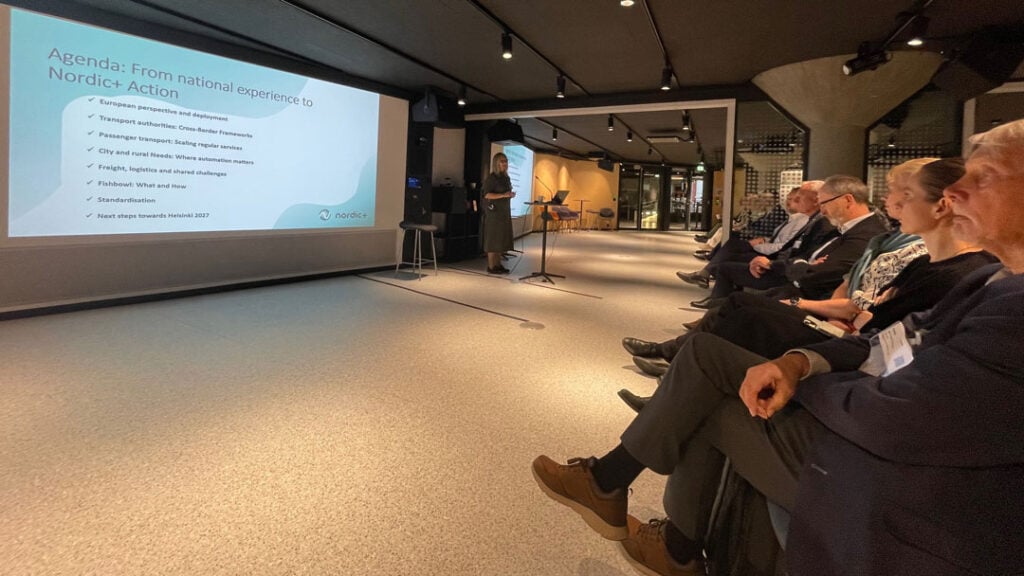
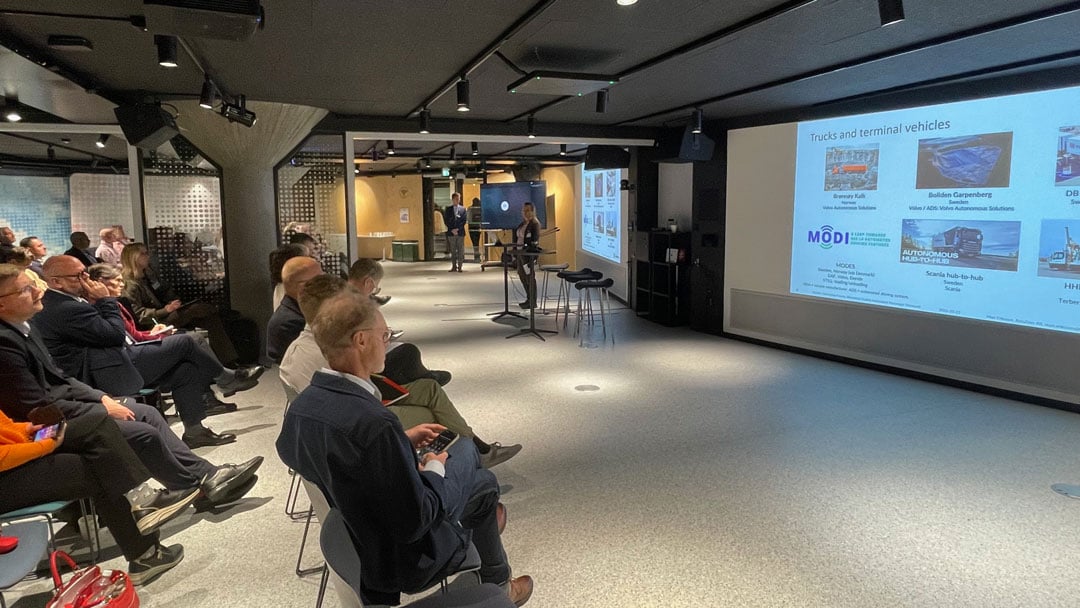
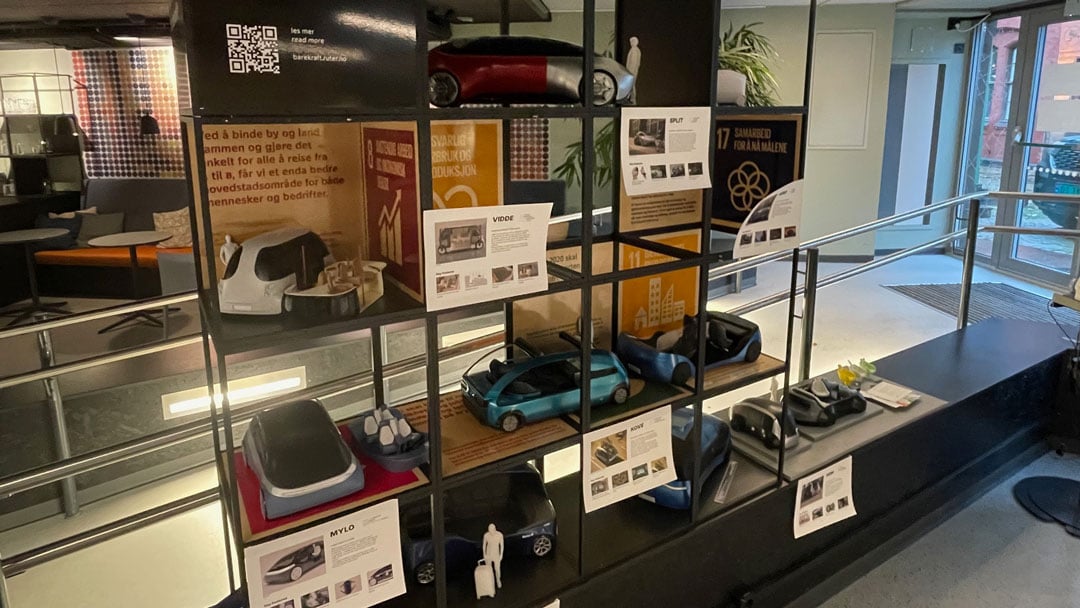
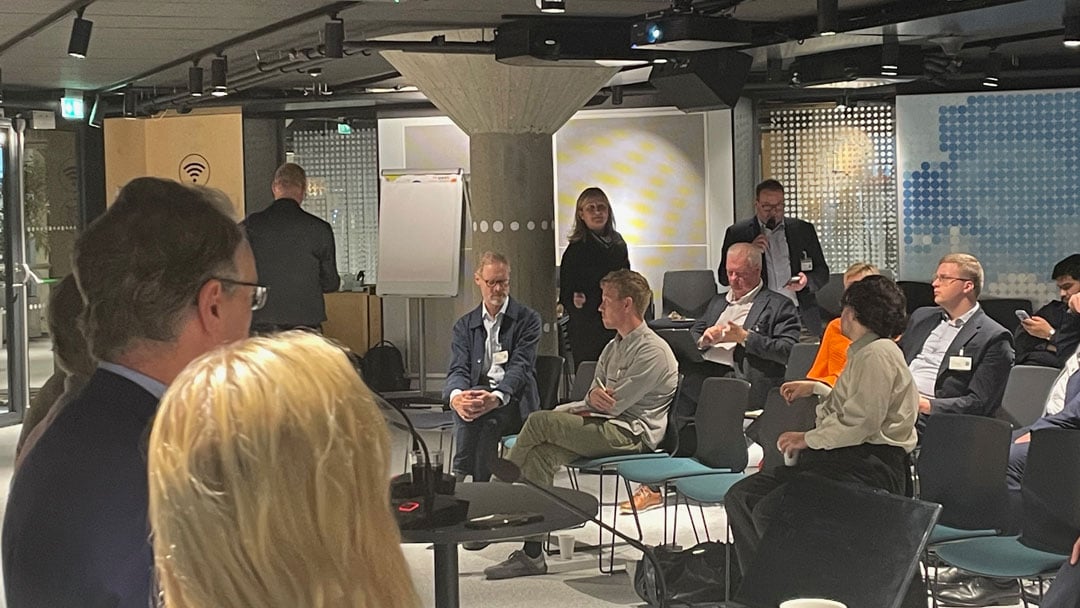
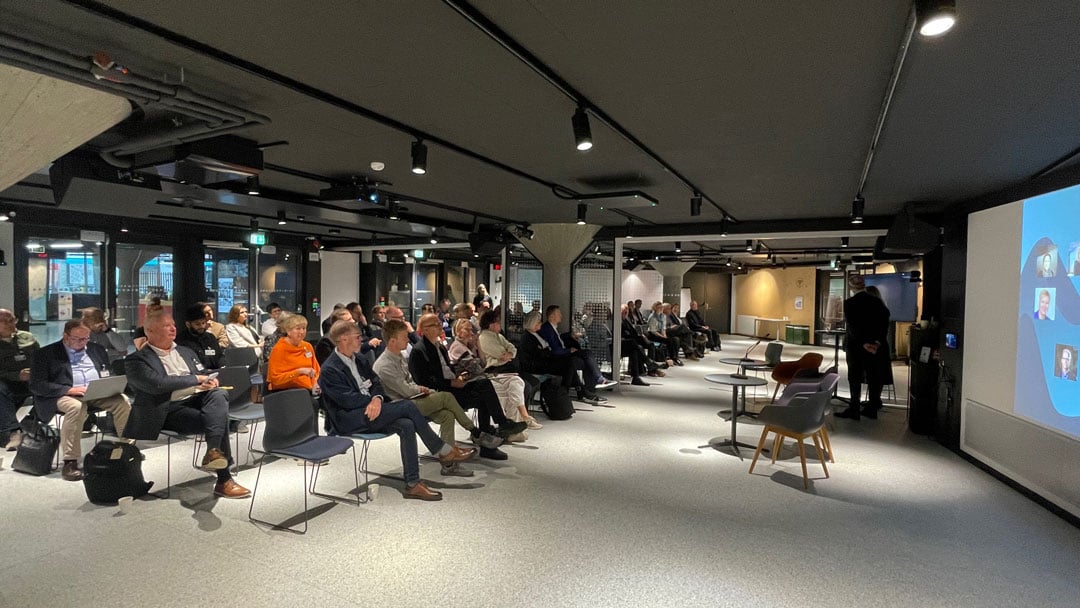
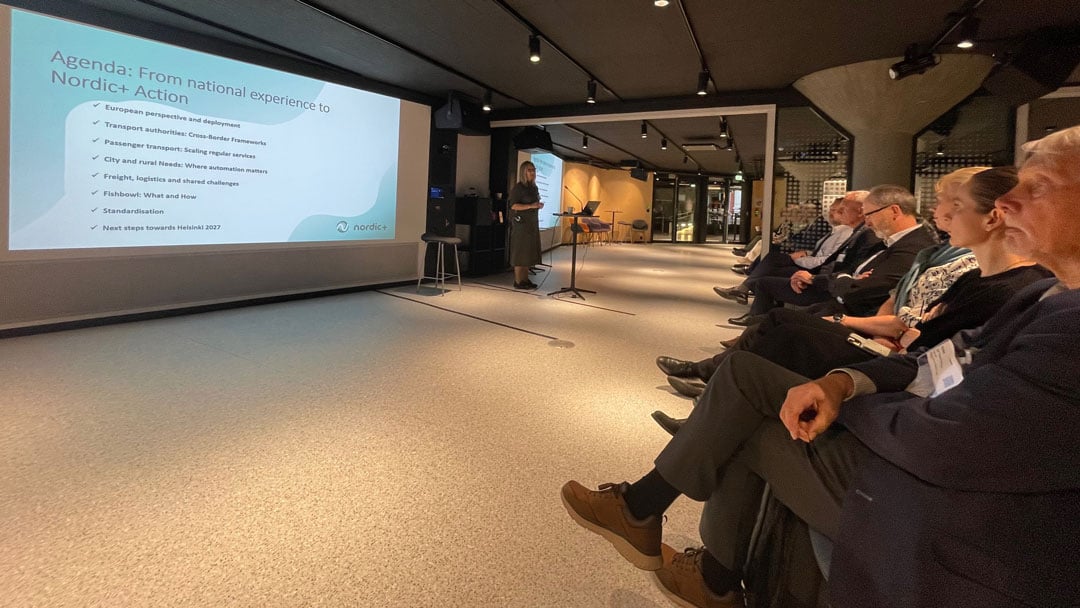
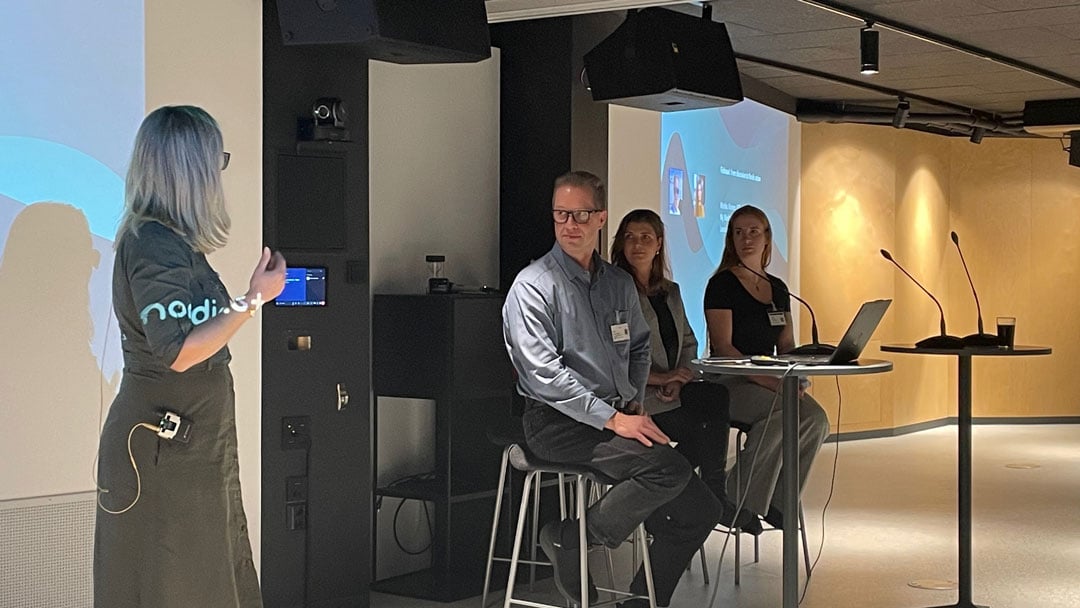
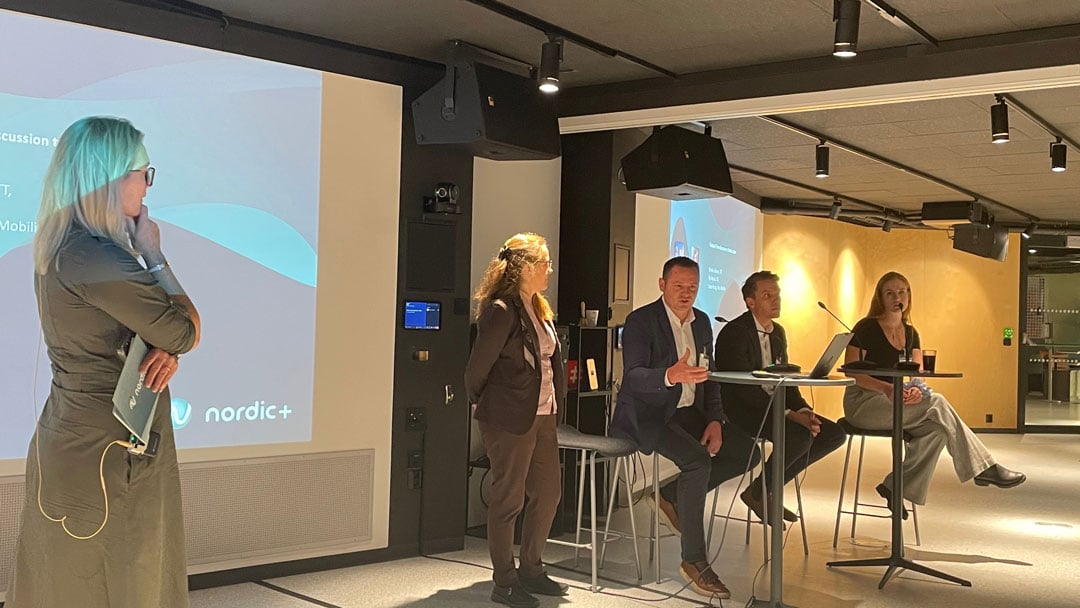
Hosted by Jenny Simonsen, ITS Norway and Nordic+ at Ruter’s premises in central Oslo, the forum highlighted both the opportunities and challenges of automated mobility. While technology continues to advance, successful deployment depends increasingly on regulation, business models, procurement and cooperation across national borders.
The discussions delivered a clear message: it is time to move beyond isolated pilots and work together towards practical, scalable solutions.
Shared Challenges, Common Ambitions
The forum opened with welcoming remarks from Jenny Simonsen of ITS Norway and Nordic+, followed by Håkon Snortheim, Vice Governing Mayor for Transport at Akershus County Municipality. Louison Duboz from PAVE Europe provided a broader European perspective on the development and deployment of automated mobility.
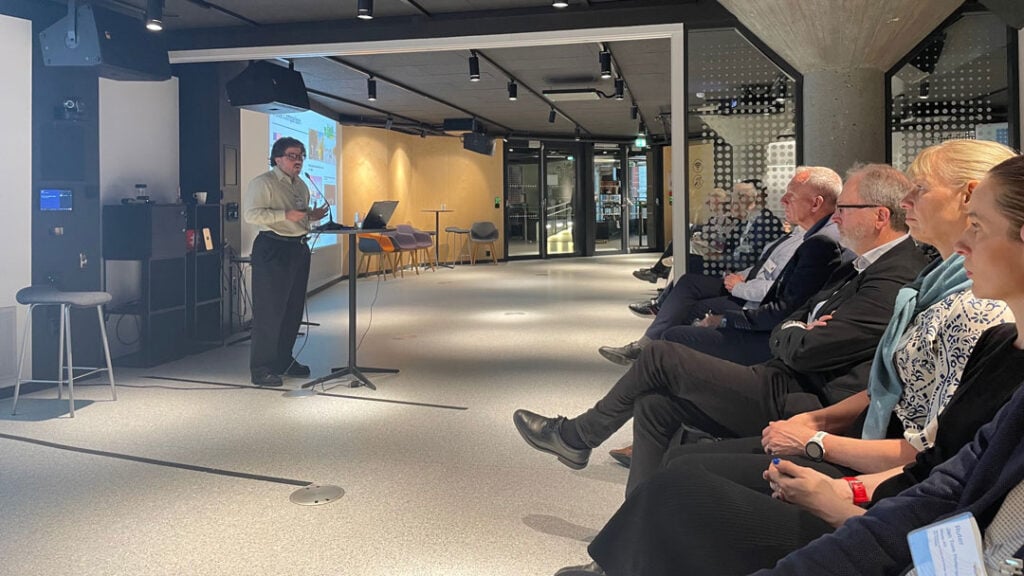
Regulation emerged as one of the key themes of the day. Representatives from Norway, Sweden, Finland and Latvia discussed national approaches and the challenges of introducing automated transport services under different regulatory frameworks.
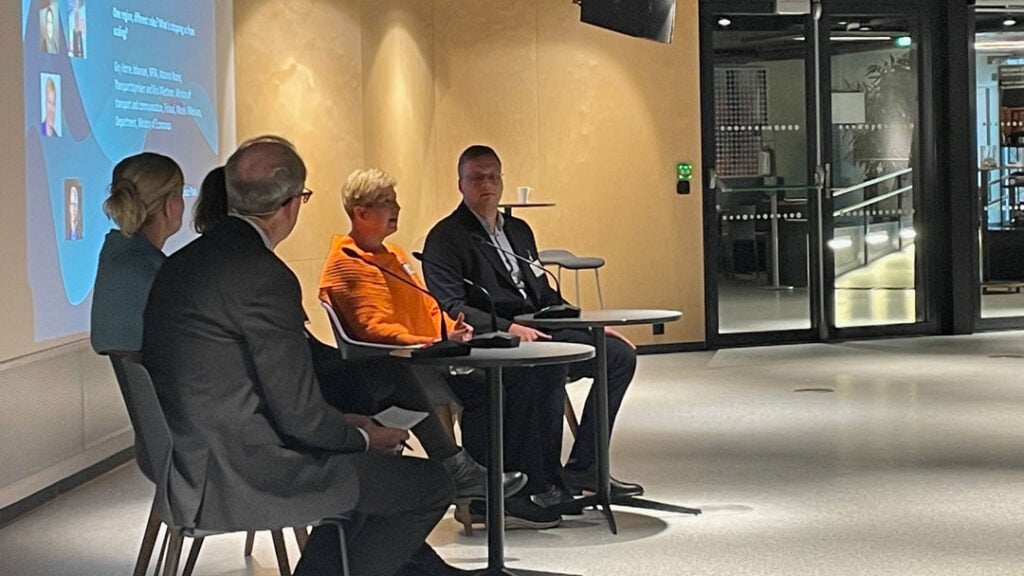
Although the Nordic and Baltic countries are progressing at different speeds, many of their challenges are shared. Closer dialogue between authorities could help identify common approaches, reduce fragmentation and support more efficient deployment.
One concrete ambition was to explore a more structured dialogue between Nordic and Baltic transport authorities, building on existing cooperation and networks.
From Technology Demonstrations to Everyday Transport Services
Moving automated transport into commercial operations requires more than successful technology demonstrations.
Representatives from public transport operators, including Ruter, Movia, Vy and HSL, shared experiences and perspectives on integrating automated mobility into public transport systems.
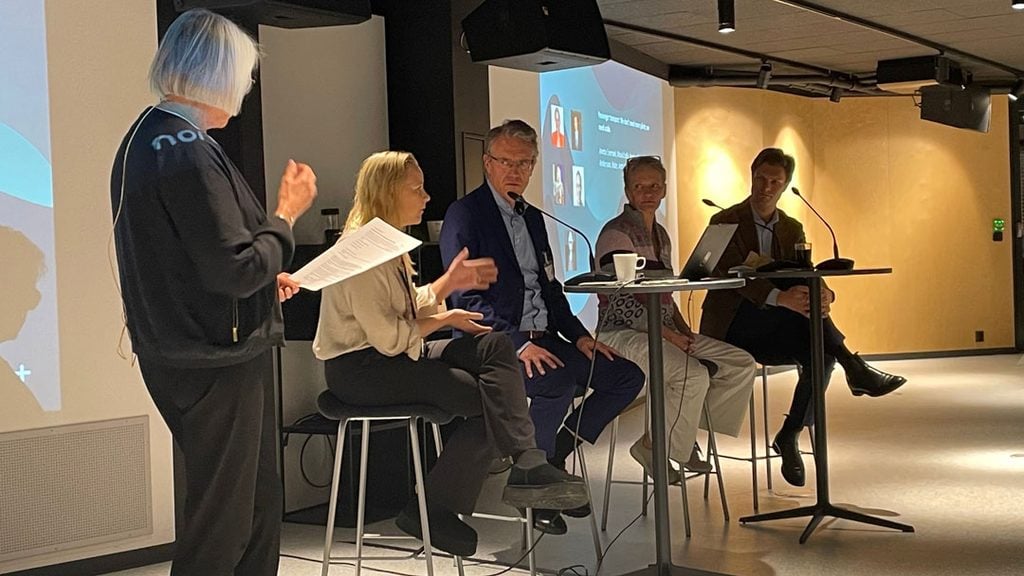
Discussions focused on operational requirements, viable business models, procurement and the role of automation in improving accessibility, efficiency and service quality.
Cities and regions, including Tallinn, Mārupe, Liepāja and Østfold, contributed perspectives on how automated transport could respond to different local mobility challenges.
A recurring message was that automation should solve real transport problems rather than become an objective in itself. The focus must be on services that deliver measurable benefits for passengers, operators and society.
Learning Across Sectors and Borders
The programme also explored developments in automated freight and logistics, with contributions from RISE-AstaZero and Chalmers University of Technology.
International perspectives added valuable insights. Ben Loewenstein from Waymo joined remotely to share experiences related to scaling autonomous mobility, while SAE International addressed the importance of standards and common approaches.
These discussions reinforced the need to look beyond individual vehicles and technologies.
Automated transport must become part of a wider mobility ecosystem where infrastructure, data, connectivity, operators, authorities and users work together.
Turning Shared Ambitions into Action
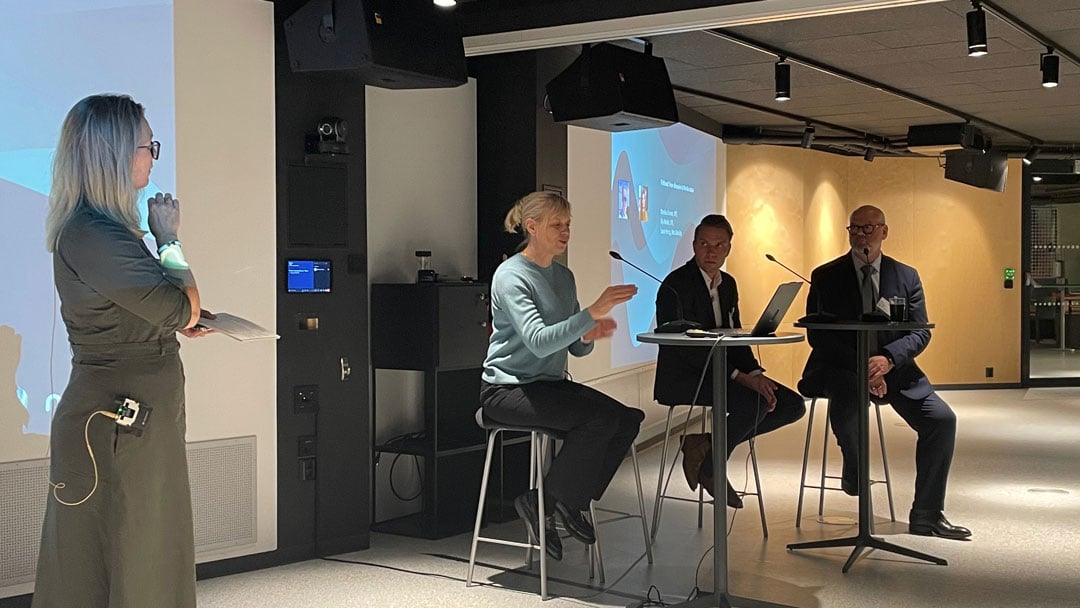
The final interactive discussions, including a fishbowl session facilitated by representatives from VTT and VTI, brought together the day’s key messages and explored opportunities for future cooperation.
Four priorities stood out:
- A common Nordic-Baltic ambition: Defining why automated transport is needed, which challenges it should address and what the region wants to achieve together.
- Closer regulatory cooperation: Strengthening dialogue between authorities and identifying opportunities for more harmonised approaches to regulation, standards and deployment.
- Scaling beyond pilots: Moving towards commercially viable services through sustainable business models, procurement and operational solutions.
- A system-wide approach: Integrating automated transport into the wider transport system rather than treating it as a standalone technology.
The discussions demonstrated a strong willingness to share knowledge, connect ongoing initiatives and identify opportunities for joint action.
The Journey Continues
The Nordic+ Autonomy Forum was an important step towards strengthening cooperation on automated transport across the Nordic and Baltic region.
Let’s keep the momentum going at Nordic+ CrossBorder 2027 in Helsinki, 12–13 May!
Two days. One region. Fewer barriers. https://cross-border.itsnordicplus.com/
The ambition is clear: less talking about barriers, more working together to overcome them.
Thank You for Making the Forum a Success!
A special thank you to Jenny Simonsen, ITS Norway and Nordic+ for hosting and guiding the discussions, and to Ruter for welcoming us and providing the venue.
We also warmly thank all speakers for sharing their expertise and perspectives, and all participants for their active engagement, valuable contributions and inspiring discussions.
The conversations started in Oslo provide a strong foundation for continued Nordic-Baltic cooperation.
From national experience to Nordic action. From pilots to scale.